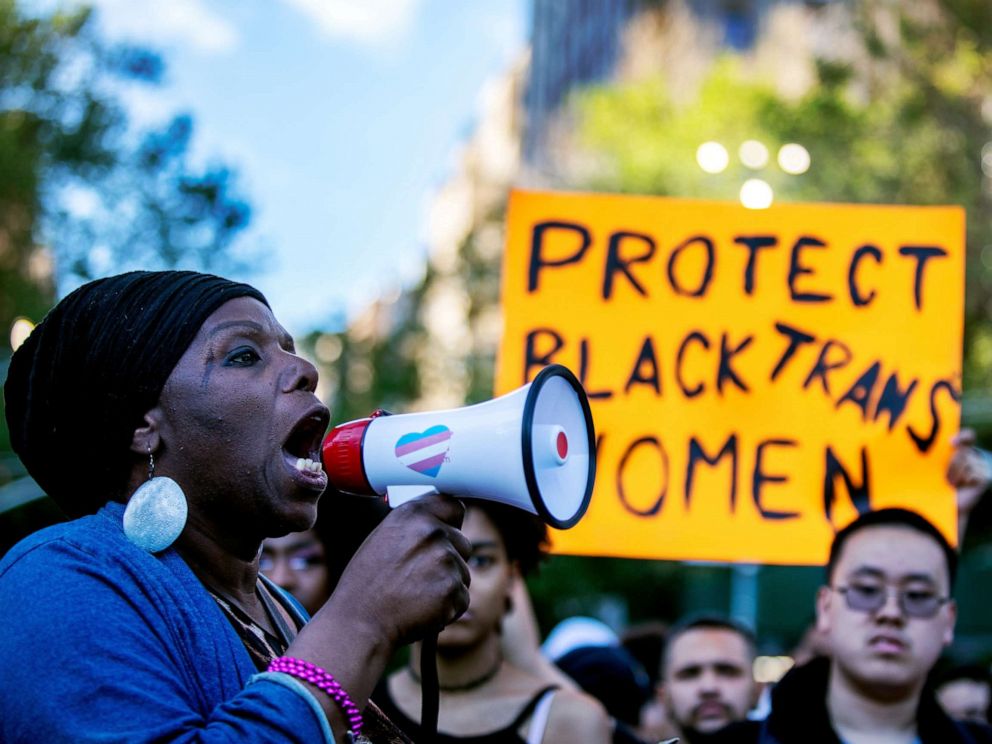
Civil rights activist Malcolm X once said “The most disrespected person in America is the Black woman. The most unprotected woman in America is the Black woman. The most neglected person in America is the Black woman.” At one point in my life, I believed this statement to be true. After my brief time in this Women's Gender Studies course, I now know that the most unprotected woman in the United States is not the black woman. The most unprotected person in America is the Black woman who belongs to the LGBTQ+ community, but specifically Black transgender women. From hearing and seeing stories of violence being committed against black women and having lived through my own personal experience of being a Black woman in the United States, I know just how difficult it can be, but I never took the time to think about what life would be like living as a Black transgender woman in the United States.

It was shocking for me to hear or read about the violence committed against Black Transgender Women. During the summer of 2020, amidst all the Black Lives Matter protests and calls to protect Black women, I remember seeing the headline of an article that stated, “six black trans women were found dead in nine days”. This article by Devin Norelle detailed the deaths of six Black women who were all killed during Pride month last year. After reading that article, I found myself spiraling down a long tunnel of stories of Black transgender women being ridiculed, abused, and even killed just for embracing their identities and living their lives unapologetically.

This is a sad reality considering that in the text titled In the Spirit of Stonewall by Leslie Feinberg, it details how members of the LGBTQ+ community were fighting for equality and liberation in 1969, but in 2021 it is evident that while a lot has changed and not much has changed. According to the Transgender Law Center, “Black Trans Women & Black Trans Femmes, existing at multiple intersections of oppression, are uniquely singled out for criminalization by the police and government. Black Trans Women & Black Trans Femmes experience disproportionately higher rates of housing insecurity, police violence, and under/unemployment due to discrimination based in their perceived gender and race.”
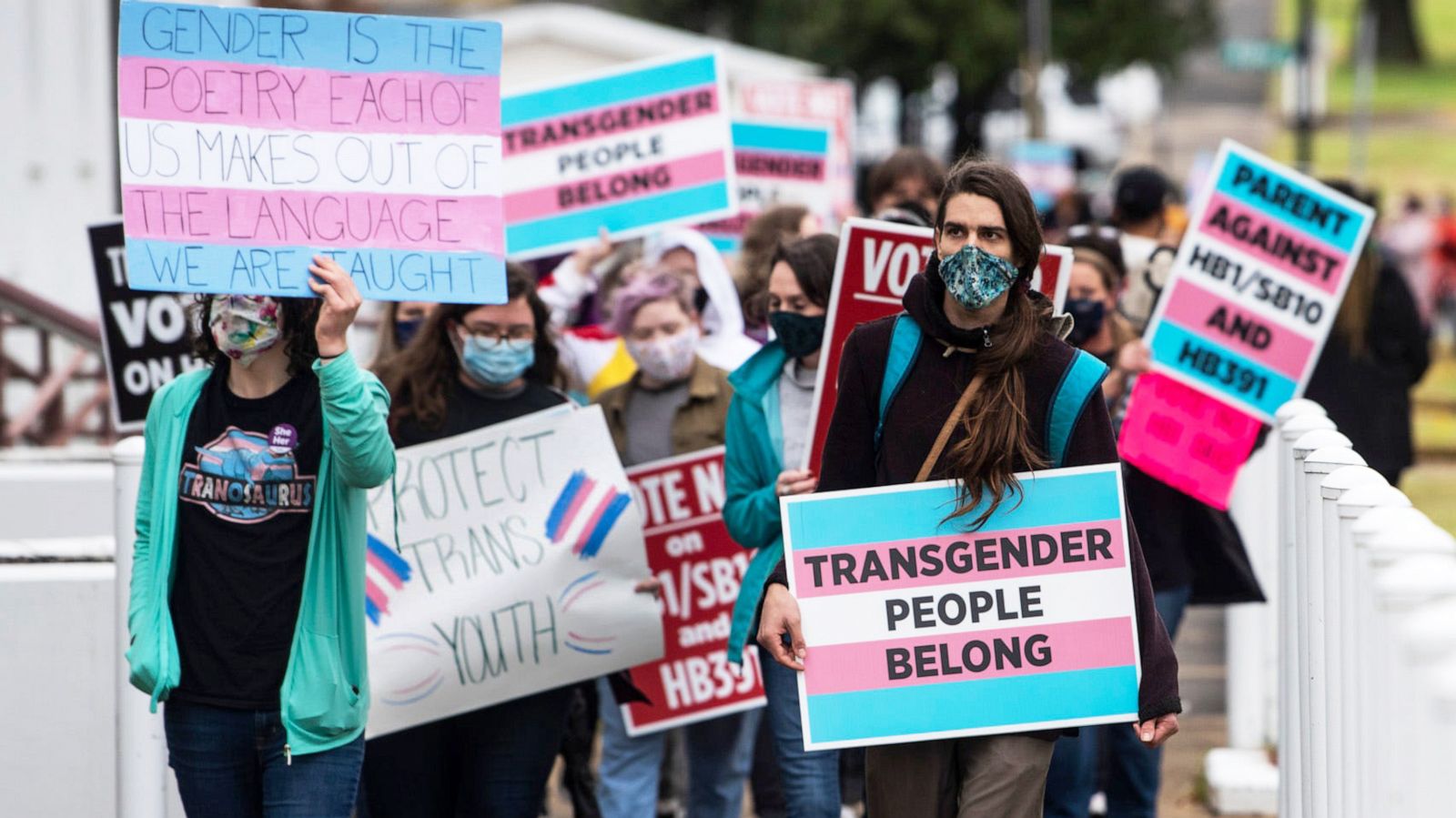
This is why the article Channeling Audre by Raquel Willis detailing an interview of Janet Mock, transgender rights activist, author, executive director/producer, etc., was especially interesting to read for me. Not only is she a Black woman who has achieved so much within her career, but she is a “possibility model for countless folks - not even just trans women” (Bitch Media). But Janet Mock is only one of many transgender women who have found their place in society. Janet Mock says that trans women “need less judgment and policing. Our job is to ensure that, as they’re making these decisions about their lives and their bodies, we are fighting alongside them to create worlds where they are not policed and where they can have access to safety to take care of their bodies in this world and culture". This statement by Janet Mock is true; While doing research on this topic, I learned that some states such as Louisiana still have no laws to protect members of the LGBTQ+ community. In Louisiana there is “no ban on housing, or employment discrimination based on sexual orientation and gender identity. There is also no ban on discrimination in public accommodations based on sexual orientation and gender identity, and no law that addresses harassment and/or bullying of students based on sexual orientation and gender identity” (Louisiana Illuminator). Clearly in 2021, there is still a lot of work to be done when it comes to equality and protection rights for members of the LGBTQ+ community.
I am excited to continue learning about different communities outside of the Black community and the struggles they face. Moving forward, my own personal goals will be to find a way to remember that when I am chanting “Black Lives Matter” and “Protect Black Women” that I remember to scream that “Black Trans Lives Matter Too", and advocate for the rights and protection of all members of the LGBTQ+ community.

References
Black Trans Women and Black Trans Femmes: Leading & Living Fiercely. Transgender Law Center. (2021, January 26). Retrieved September 24, 2021, from https://transgenderlawcenter.org/black-trans-women-black-trans-femmes-leading-living-fiercely.
Devin-Norelle, Clifton, D., Baume, M., & Sanders, W. (2020, July 14). Six black trans women were found dead in nine days. them. Retrieved September 24, 2021, from https://www.them.us/story/six-black-trans-women-were-found-dead-in-nine-days.
Feinberg, L. (1999). Chapter 6 In The Spirit of Stonewall. In Trans Liberation: Beyond Pink or Blue. essay, Beacon Press.
Tammy C. Barney, L. I. A. 21. (2021, April 21). LGBTQ protections are already scarce in Louisiana; Legislature seeks to make things even WORSE: Tammy C. barney. Louisiana Illuminator. Retrieved September 24, 2021, from https://lailluminator.com/2021/04/21/lgbtq-protections-are-already-scarce-in-louisiana-legislature-seeks-to-make-things-even-worse-tammy-c-barney/.



No comments:
Post a Comment