
There are a variety of options for th
e adolescents to learn about sex education, but one of the most vital options is through the public school system. In 2014 the CDC school health profiles recorded that less than half of high schools and even fewer middles schools are going over the 16 recommended topics for sex education, that includes important information about HIV, STDs, and forming healthy relationships. It was also polled from 2011-2013 that 43% of adolescent females and 57% of adolescent males didn't understand information about birth control before having sex for the first time. These numbers could change if the public school system did a more accurate job of explaining sex education.
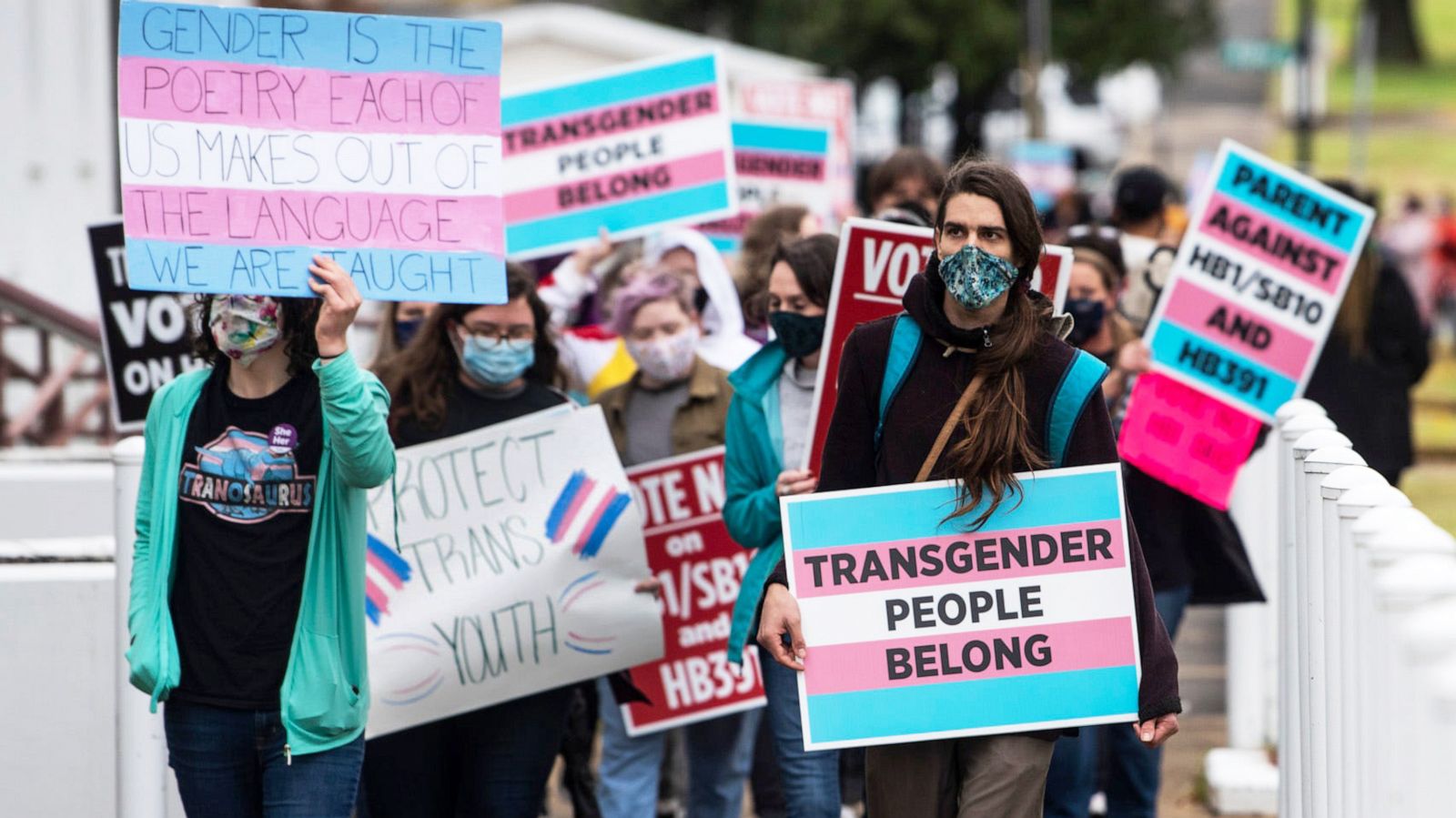
Not only is there a lack of information and normalization of sex education for cis and heteronormative adolescents, but for the LGBTQ+ adolescent community there is even less. according to NM.org only 9 states require LGBTQ+ identities and relationships to be included with sex education. This excludes the adolescents of this community and can cause long term damage to their mental health and even physical. This leaves researching things on their own to be the main source of their sex education.
Earlier in the week my WGSS course we all shared what our school sex education was like. A lot of students shared that their school stressed abstinence and vaguely went over the aspects to puberty, or talked about the body in general. Sec education should be more than just medical terms and fear mongering to stay pure until marriage. It should be about how to have a healthy relationship and to wait until you feel that you're comfortable with beginning that journey, and all the important information about birth control methods, how to prevent STDs, how to take care of STIs, what to do if you end up in a situation where you are pregnant. This class should be an essential part to education institutes in all states, not less than half of them.
During the week I asked friends and some friendly strangers on what they wished their school would have talked about involving sex education, the results are more than what there should be. Many said they wanted to know the different kinds of birth control, the effects it can have on you, and even allergies that come with condoms. There was also talk about wanting to know more about options for pregnancy. That keeping the fetus is not you're only option, that abortion is there and so is adoption, there is never one option for choices that's the beauty of sex education. Speaking of beauty, body positivity is not talked about enough. It's important to feel comfortable in your own skin and to know no matter what your body looks like that you are worthy of love, especially your own. Feeling your hormones is also completely normal, we all go through those feelings and if you're not ready for sex then there is also masturbation. Masturbation is not discussed enough in sex education and neither are the benefits.

To wrap things up (pun indented) my research opened my eyes to a lot of inequalities in the levels of sex education, lack of information, and how focused the system is on not having sex over what to do when having sex. So many schools have the mindset of "Don't have sex, cause you will get pregnant, and die. Don't have sex in the missionary position, don't have sex standing up. Just don't have sex." (Coach Carr from Mean Girls) Our generation can be the one to change the outlook on sex education.

Resources:
- https://nursing.usc.edu/blog/americas-sex-education/
- https://www.plannedparenthood.org/learn/for-educators/whats-state-sex-education-us
- https://www.nm.org/healthbeat/healthy-tips/lgbtq-exclusion-in-sex-education



No comments:
Post a Comment