Our society takes away our right to our own bodies, unless you are a cis male. Anyone with a reproductive system is in danger, as we watch laws being made to reverse the precedent set by Roe vs. Wade almost 50 years later in jeopardy. Cis men in government have the ability to decide what people with reproductive systems can and cannot do with their bodies, and they also are able to control what sex individuals who are born intersex are before they can decide themselves(Davis, 2015). Our autonomy over our own body is taken away from us, and that is why I decided to look further into how bodies are politicized in our society and country.
In recent decades scholars have become more conscious of the politicization of bodies in everything we do (Stearns et al. 2015). The most representative of this in my sphere of influence is women’s reproductive health. The politicization of reproductive health cannot be considered without recognizing the two categories in which policymakers view reproductive health: morality and feminist policy (Sommer & Forman-Rabinovici, 2020). The overlap of the two have contrasting viewpoints on what reproductive rights should exist, especially when it comes to abortion (Sommer & Forman-Rabinovici, 2020). In the morality viewpoint, some people find it wrong and immoral to “kill an unborn baby.” On the other hand, the feminist viewpoint states that people find that the fetus is in a persons body therefore it is the individuals choice to decide whether they wish to keep the baby or go through with the abortion. One could correct the morality viewpoint, however, because how is it moral to decide for another person what they can and cannot do with their body? In any case, the choice should be up to the individual who is housing a fetus inside them.
The politicization of abortion was addressed when Roe vs. Wade was set as precedent. There became a precedent for how states should rule on whether those who have reproductive systems can have the right to decide whether or not to have an abortion. Abortion has become secular to the point where this precedent is being questioned into whether people with reproductive systems can have the right to abortion.

Not only are women's/ those with a reproductive system’s bodies being politicized, Individuals who are born intersex are being politicized as well. Georgiann Davis in Contesting Intersex discusses the politicization of the two splitting groups of intersex individuals (Davis, 2015). “The very definition of what it means to be intersex is politicized” as she is quoted saying (Davis, 2015). The group is split on the term they identify by, whether that is DSD language or by the term of intersex (Davis, 2015). I do not have any personal experience with being intersex or any experience with what that is like, but why is it up to other people to decide? Everyone has the right to self-identify the way they choose to, and that includes the language and pronouns others refer to them by. Everyone stressed the need for labels and identification and in some ways I do agree it is needed, but I think if one is not certain on a way of identification that is okay too. Identification is definitely helpful for individuals to feel valid in their environment and communities, however why does this need to be applied in such public sectors if people in these communities do not want it to be so public? Sexuality and gender are very private topics for some people, and with so many people unsure of themself in these categories they may not want to publicize these aspects of their lives. Identification is important, but it depends on the individual and where they are in their identification journey.
Other sources: Talks, T. X. (2019). A different kind of superpower: what it means to be intersex. YouTube. Retrieved September 20, 2021, from https://youtu.be/Vaq4Ij0qmog.
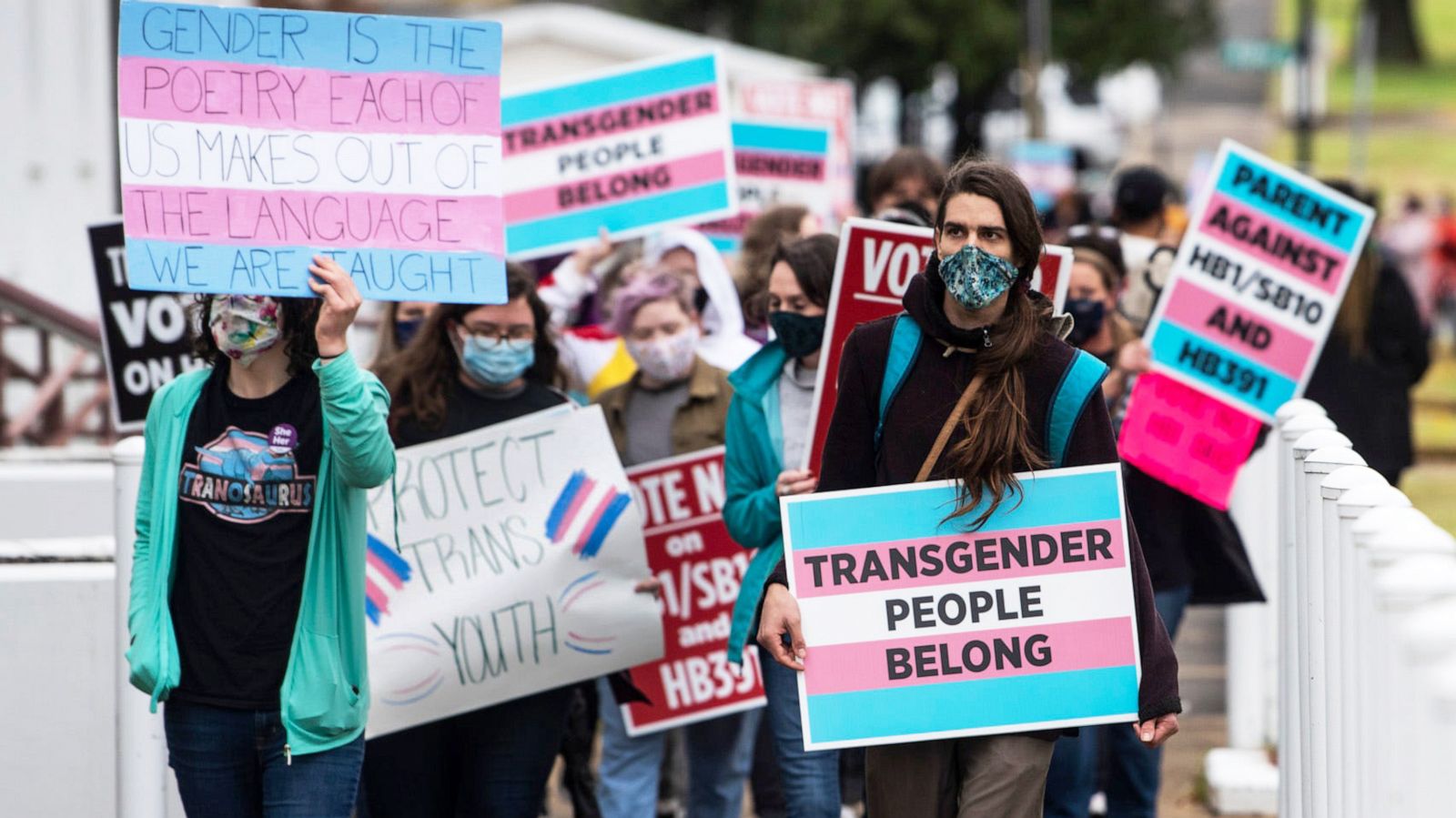
Women and intersex individuals are not the only ones who’s bodies are being politicized. Transsexual individuals are also struggling with identity, similar to intersex individuals, and their identity and bodies are also becoming very public. Laws describing what transsexual individuals can and cannot do, such as use the gendered bathroom which they identify with, or marry who they want to, or participate in a certain sport, exist and dictate all aspects of transsexual lives. The oppression of transsexual bodies is so debilitating they are fighting for their lives (Feinberg, 1992). Transsexual individuals are struggling with officials making decisions about what levels of hormones in their bodies are okay to participate in certain sports and other events. They already struggle to identify themselves for their own well being and to be identified by others, yet they are constantly being criticized by everyone around them about their own identification.
I chose this topic because I, as a cis woman who has a reproductive system, understand that my body is politicized and publicized in every day life. I struggle with oppression because of this, as other people try to make decisions regarding me, my body, and what I should do with my body every day. I do not identify as either intersex or transsexual, so I cannot speak for the experiences of any of those people. However, those who experience oppression through politicization of bodies, or any kind of oppression, need to stick together and be allies for each other. Feinberg describes this need and the fact that all those who are oppressed will benefit from our togetherness and be able to endure the oppression more than if we stand alone.
References
Feinberg, L., & World View Forum,. (1992). Transgender liberation: A movement whose time has come.
Georgiann Davis. (2015). Contesting Intersex : The Dubious Diagnosis. NYU Press.
Hinsliff, G. (2019, May 18). It shouldn't be left to women to fight alone for abortion rights. The Guardian. Retrieved September 17, 2021, from https://www.theguardian.com/commentisfree/2019/may/18/women-abortion-rights-pro-choice-campaign
Sommer, U., & Forman-Rabinovici, A. (2020). The politicization of Women’s health and wellbeing. Sustainability, 12(9), 3593. doi:http://dx.doi.org/10.3390/su12093593
Stearns, A. E., Sharp, S. F., & Beutel, A. M. (2015). Women as Political Bodies in the International Speeches of Margaret Sanger. Feminist Formations, 27(2), 121–145.
Talks, T. X. (2019). A different kind of superpower: what it means to be intersex. YouTube. Retrieved September 20, 2021, from https://youtu.be/Vaq4Ij0qmog



No comments:
Post a Comment